Key Takeaways
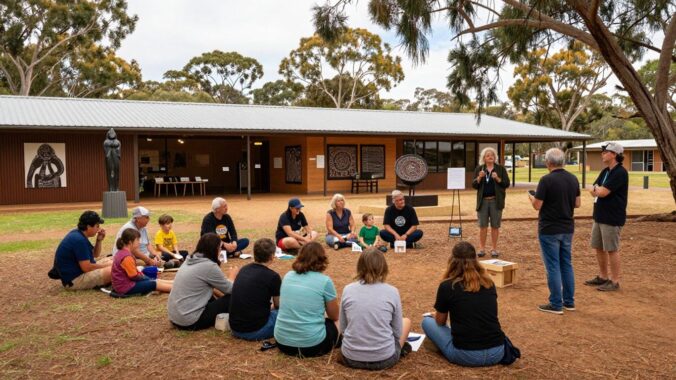
Regional art centres bring local stories, artists, learning, and community life together in welcoming spaces. We can find them through local listings, plan visits around programs, and support them in practical ways.
- Regional art centres often reflect the culture, history, and living identity of their communities.
- Local arts websites, libraries, event calendars, and artists can help us find nearby centres.
- Visits may include exhibitions, performances, workshops, studios, and seasonal celebrations.
- We can compare programs, access, opening hours, costs, and upcoming events before choosing a centre.
- Visiting, buying local work, volunteering, or donating helps creative communities continue to grow.
What makes regional art centres special
Regional art centres give us a way to experience creativity outside the usual metropolitan circuit. They may be modest in size, but their connection to local people and place can make a visit feel unusually personal. Rather than treating art as something distant or formal, they often invite us to take part. That closeness is what makes art centres regional such rewarding places to explore.
How they reflect local culture and identity
A regional centre often draws on the landscapes, histories, languages, and everyday experiences of the area around it. In First Nations communities, cultural material may also connect with Country, kinship, ceremony, and continuing traditions, with appropriate care given to cultural authority and permissions. We should approach these stories respectfully, allowing artists and communities to decide how knowledge is shared.
The result can be an exhibition that feels closely tied to place rather than interchangeable with one from a distant city. Even contemporary work can carry traces of local weather, industry, family life, community memory, or the changing relationship between people and Country.
The role of artists, educators, and community groups
Artists often do more than display finished work in these settings. They may lead workshops, speak with visitors, mentor emerging creators, or work alongside schools and community groups. Educators help turn a gallery visit into a conversation, while local organizations bring practical knowledge about the people they serve.
That shared effort gives the centre a lived-in quality. We may arrive for an exhibition and find that the most memorable part is a conversation, a demonstration, or an invitation to try something ourselves.
How they differ from major city museums
Major museums can offer large collections, international exhibitions, and specialist departments. Regional art centres tend to work on a more human scale, with programs shaped by local relationships and the needs of their audiences. Their focus may shift quickly as artists, schools, and community groups bring forward new ideas.
This does not make one type of venue better than the other. A city museum can provide breadth, while a regional centre may offer a stronger sense of connection and a clearer understanding of how creativity grows in a particular place.
Why they matter to regional economies
Creative venues contribute to the rhythm of a town or district. Visitors may combine a gallery trip with a café, bookshop, market, accommodation, or other local activity, while artists and makers gain opportunities to sell work and build relationships.
The benefits are not limited to visitor spending. Centres can also create paid roles, attract volunteers, support creative skills, and give young people reasons to see artistic work as part of their future at home.
How to find regional art centres near you
Finding a nearby centre usually takes less effort than we expect. The most useful information may be spread across council pages, tourism sites, library noticeboards, social media accounts, and local conversations. We can start broadly, then confirm details directly before making a trip. Opening hours and programs can change, especially in smaller venues with shared staff or volunteer support.
Searching local arts and tourism websites
Local government, regional tourism, and arts-network websites are useful starting points because they often collect information from several venues in one place. Search for combinations such as the name of a town, “arts centre”, “cultural centre”, “gallery”, or “creative hub”.
It is worth opening the centre’s own website after finding a listing. There we can check the current address, exhibition dates, accessibility information, booking requirements, and whether the venue is open between events.
Checking libraries, galleries, and community listings
Libraries are often excellent guides to the cultural life of a region. Their noticeboards, newsletters, and staff recommendations can point us toward small galleries, artist-run rooms, makerspaces, and pop-up programs that do not appear prominently in search results.
Community centres, visitor information offices, local galleries, and council event pages can fill in the gaps. A quick check across several sources gives us a more reliable picture than relying on a single directory.
A short list can help us compare what we find without losing the personal side of the search:
- Permanent galleries or rotating exhibition spaces
- Workshops and classes for different age groups
- Performances, talks, screenings, or artist visits
- Studios, markets, and opportunities to meet makers
Once we have these details, we can decide whether we are looking for a quiet gallery visit, a hands-on activity, or a full day of cultural events. That simple distinction makes the search more focused.
Using social media and event calendars
Social media is often where regional centres share last-minute changes, opening-night details, workshop places, and photographs of new installations. Event calendars can also reveal seasonal programs that are not yet reflected on a centre’s main webpage.
We should still verify the information before travelling, especially when a post is several weeks old. A current event listing or direct message can confirm whether bookings are open and whether the advertised activity suits our group.
Asking local artists and cultural organizations
Local artists, arts officers, Indigenous cultural organizations, and community groups can offer context that a directory cannot. They may know which venues support emerging artists, which programs are family-friendly, or where visitors can learn about culture in a respectful and community-led way.
We should ask open, considerate questions rather than expecting anyone to share knowledge that is private or culturally restricted. A recommendation is most valuable when it also helps us understand how to visit appropriately.
What to expect when you visit
No two regional art centres operate in quite the same way. One may occupy a purpose-built gallery, while another works from a restored building, a community hall, or a collection of shared rooms. We can expect a mix of planned programming and informal encounters, with the day’s experience shaped by what is on at the time. A little flexibility usually makes the visit more enjoyable.
Exhibitions, performances, and public programs
An exhibition might feature local artists, travelling work, community projects, historical material, or a combination of these. Some centres also host music, theatre, poetry, film, talks, launches, and public conversations, so the gallery may feel lively rather than silent.
Before we arrive, we can check whether the program has a particular cultural protocol or recommended approach. When First Nations artists and communities are involved, reading the centre’s guidance helps us engage with the work respectfully and avoid treating cultural material as merely decorative.
Workshops for children, teens, and adults
Workshops may include painting, drawing, weaving, printmaking, photography, ceramics, writing, or other locally relevant practices. Some are structured classes, while others are relaxed drop-in activities designed for families or visitors who are trying a creative skill for the first time.
We should check the age range, materials, duration, and booking arrangements. If a workshop is led by a First Nations artist, the description may also explain the cultural context of the activity and the appropriate way to participate.
Studios, galleries, and shared creative spaces
A centre may include working studios, small exhibition rooms, a shop, a rehearsal area, or spaces shared with other community groups. Seeing the practical side of creative work can change how we understand an artwork, particularly when we learn about the time, materials, and decisions behind it.
Some studios are open to visitors, while others are private working areas. We can follow signs, ask before taking photographs, and respect any boundaries set by artists or staff.
Seasonal events and community celebrations
Regional centres often become gathering places during festivals, school holidays, cultural days, markets, and end-of-year programs. These events may bring together performances, food, workshops, talks, and temporary installations, creating an experience that extends beyond the gallery walls.
The atmosphere can be busy and informal, so it helps to allow extra time. If the event is community-led or connected with First Nations culture, we should read the invitation carefully and follow any guidance about participation, photography, or access to cultural activities.
How to choose the right art centre
The best centre for us depends on what we want from the visit. We might be searching for a particular kind of art, a family activity, a culturally grounded experience, or simply somewhere welcoming to spend an hour. Comparing a few practical details beforehand can prevent disappointment. It also helps us support venues whose approach matches our interests and values.
Matching programs to your interests
Start with the program rather than the building. Exhibition pages and event descriptions can tell us whether a centre focuses on contemporary art, local history, craft, performance, community projects, First Nations cultural practice, or a broad mix.
If we are travelling with others, we can look for a balance between individual interests. A centre with an exhibition, a workshop, and a nearby market may suit a mixed group better than a venue offering only one type of activity.
Comparing location, hours, and admission costs
Distance, transport, parking, opening days, and admission arrangements all shape the experience. Some centres are free, while others charge for exhibitions, performances, workshops, or special events; a free gallery visit does not necessarily mean every program is free.
We can check public holiday hours and allow for rural travel times, where venues may be spread across a large area. If a centre asks visitors to book even for a free event, completing that step early is a considerate way to help staff plan.
Looking for accessible facilities and inclusive programming
Accessibility information may cover ramps, toilets, seating, quiet areas, captions, hearing assistance, sensory considerations, and accessible parking. If details are not listed, we can contact the centre and ask what support is available rather than making assumptions.
Inclusive programming also involves who gets to participate and whose stories are treated with care. We can look for clear community partnerships, respectful cultural guidance, varied age options, and staff who are willing to answer practical questions.
Checking visitor reviews and upcoming events
Reviews can help us understand the atmosphere, size, facilities, and ease of finding the venue. They are only one perspective, though, and older comments may not reflect a centre’s current program or access arrangements.
The upcoming events page is often more useful than a star rating. It shows how the centre is active now and helps us choose a date when the visit will feel most relevant to what we want to experience.
How to make the most of your experience
A good visit does not require a packed itinerary. We can choose one main activity, leave room for conversation, and pay attention to the details that are easy to miss when we hurry. Regional centres often reward a slower pace because staff, artists, and community members may be available to explain the work. Our presence can be part of the centre’s support system, not just a transaction.
Planning your visit around featured exhibitions
If a particular exhibition interests us, we can check its closing date, opening hours, entry arrangements, and any related talks or tours. Reading a little about the artists beforehand can give us useful context without telling us what we are supposed to think.
We can also plan time for the surrounding area. A regional art centre may be one part of a broader cultural day that includes local architecture, Country, food, music, or community history.
Booking workshops and performances in advance
Popular workshops and performances may have limited places, particularly when an artist is working with a small group. Booking early gives us a better chance of attending and allows us to understand what materials, clothing, arrival time, or age requirements apply.
We should keep confirmation details handy and contact the venue if plans change. That courtesy may allow another person to take a place and helps a small team manage the program smoothly.
Speaking with artists and staff
Artists and staff can often add a layer of meaning that is not available on a wall label. We can ask about materials, process, the exhibition’s local connection, or what the artist hopes visitors will consider, while accepting that some knowledge may not be available for sharing.
A respectful conversation does not need to be long. Listening carefully, avoiding assumptions, and asking before touching or photographing work will usually make the exchange more comfortable for everyone.
Supporting the centre through purchases or donations
Support can take several forms. We might buy an artwork, print, book, craft item, ticket, or workshop place, or we might donate, volunteer, become a member, or simply return for another program.
Before buying, we can ask how sales are handled and whether the artist or community receives a share. Small purchases and steady attendance can matter, but we should choose support that fits our circumstances rather than feeling pressured to spend.
How regional art centres strengthen communities
Regional art centres are more than places to view finished work. They provide meeting points where artists, families, educators, visitors, and community organizations can exchange ideas and build familiarity over time. Their contribution may be visible in a busy festival, but it can also be quiet: a young person discovering a skill, an artist finding an audience, or neighbors sharing a room. When we visit thoughtfully, we become part of that wider network.
Creating opportunities for local artists
Centres can give local artists places to exhibit, teach, perform, sell work, and meet curators or fellow makers. Those opportunities help artists develop a public practice without needing to move to a capital city or depend entirely on distant networks.
They also make creative work visible to people who may not regularly visit major galleries. A first exhibition, commission, or workshop can become a meaningful step in an artist’s longer path.
Making art education more accessible
Local programs can bring creative learning closer to schools, families, older residents, and people who may find city venues difficult to reach. A familiar building and approachable staff can make a first visit feel less intimidating.
For First Nations learning, the quality of the relationship matters as much as access. Programs should be guided by the relevant artists and communities, with cultural knowledge shared on appropriate terms rather than separated from its responsibilities.
Encouraging tourism and small-business activity
Visitors often build a day around an art centre, especially when exhibitions or festivals are promoted alongside local food, accommodation, markets, and walking routes. That can spread attention across a region instead of concentrating it in one major destination.
The strongest tourism experiences do not treat culture as a backdrop. They give communities control over how their stories and creative work are presented, while inviting visitors to spend time, listen, and contribute respectfully.
Building connections across generations and cultures
A shared creative space can bring together people who might not otherwise meet. Children, elders, established artists, new arrivals, and visitors can contribute different experiences to the same program, making the centre a place for exchange rather than passive observation.
We can help that work by showing up with curiosity and patience. When local voices remain central, regional art centres create connections that continue well beyond a single exhibition or event.