Key Takeaways
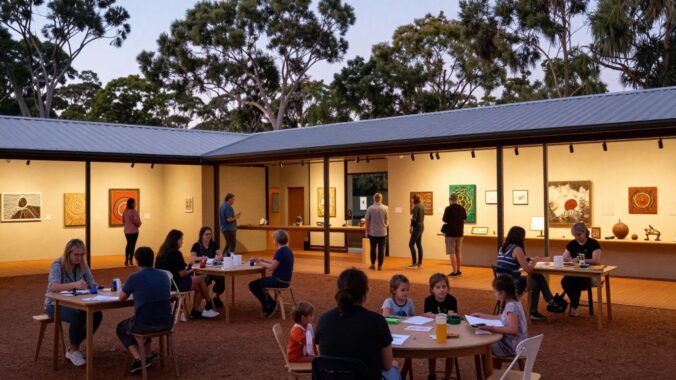
Regional art centres offer welcoming places to experience local creativity, learn from artists, and connect with community life. We can support them by visiting thoughtfully, joining programs, and sharing their work with others.
- They bring exhibitions, education, performance, and creative activity closer to local communities.
- Many provide valuable opportunities for emerging and established artists.
- Visitors can enjoy galleries, workshops, talks, studios, and community events.
- A little planning helps us choose a centre that suits our interests and access needs.
- Membership, volunteering, ethical buying, and local partnerships help art centres thrive.
What regional art centres are and why they matter
Regional art centres are places where creative work and community life meet. They may include galleries, studios, performance areas, classrooms, and spaces for public gatherings. When we search for art centres regional communities can enjoy, we often find organisations with a strong connection to local stories, artists, and landscapes.
How regional art centres differ from major museums
A major museum may be known for a large permanent collection, while a regional art centre often has a more flexible and community-focused program. Its exhibitions can change frequently, and its spaces may be used for making, teaching, performing, and gathering as well as viewing art. We are often able to meet the people and stories connected to the work.
The atmosphere can feel less formal, too. Rather than simply moving from one display to the next, we might attend a workshop, hear an artist speak, or take part in an event happening in the same building.
The role they play in local communities
Art centres give people a shared place to express ideas and spend time together. They can make creative activity more visible in towns and regional areas, including places where cultural opportunities may otherwise be limited.
Their value is not only measured by the exhibitions on the walls. They may provide meeting spaces, support local celebrations, create learning opportunities, and help residents feel a stronger connection to where they live.
Supporting emerging and established artists
Regional art centres can give artists a place to show work, test ideas, teach others, and build relationships with audiences. For an emerging artist, that first exhibition or public workshop can be an encouraging step. Established artists may also value the chance to work with a particular community or respond to a local setting.
The support can take different forms, from practical studio access to professional conversations and promotion. A centre may also help audiences discover artists they would not otherwise encounter.
Connecting culture with education and tourism
Art centres often sit naturally within a wider visit to a town or region. A gallery visit can be combined with local food, a cultural walk, a festival, or time spent exploring nearby places. This creates a richer experience than treating art as a quick stop between other activities.
Schools, families, and visitors can all approach the program differently. Education sessions may introduce local history and creative practice, while tourism programs can encourage respectful interest in the people and culture of the area.
What you can experience at regional art centres
No two regional art centres offer exactly the same visit. Some focus on visual art, while others include performance, craft, design, music, or cultural programming. We can usually find something to suit a quiet afternoon, a family outing, or a deeper interest in how art is made.
Exhibitions featuring local and visiting artists
Exhibitions may bring together artists from the surrounding area, elsewhere in the country, or further afield. A local display might explore a place, material, or community story, while a visiting exhibition can introduce a different perspective.
We can take our time with the work and read the available information without assuming every exhibition needs the same response. Sometimes one piece stays with us long after the rest of the visit has faded.
Workshops, classes, and artist talks
Workshops let us move from looking to making. We might try painting, printmaking, ceramics, weaving, photography, or another practice guided by someone with experience. Artist talks can add context by explaining materials, process, or the ideas behind a body of work.
It is worth checking whether a session is designed for beginners, children, experienced makers, or a particular age group. That small detail can make the experience more comfortable and rewarding.
Live performances and community events
Some centres extend their program beyond gallery walls with music, theatre, dance, film screenings, festivals, markets, or public conversations. These events can draw together people who may not visit an exhibition on its own.
Because performance schedules often change, we should check the event details before travelling. Arriving early may also help us find seating, understand the venue, and settle into the occasion.
Artist studios, galleries, and creative spaces
Studios and open work areas can help us understand the practical side of creative work. We may see tools, materials, unfinished pieces, or the way an artist organises a working space. Some centres also operate galleries or shops where visitors can learn more about available work.
The best approach is to follow the centre’s visitor guidance. A studio is a workplace as well as a public-facing space, so a calm and observant visit respects the artist’s concentration.
How to find the right regional art centre
Choosing a centre becomes easier when we begin with what we actually want from the visit. We might be looking for an exhibition, a hands-on class, a family activity, a performance, or an opportunity to learn about local culture. A few minutes of research can prevent a long journey for a program that has already finished.
Searching by location and artistic focus
Start with a map search, local council information, visitor centre resources, and arts networks. Then look more closely at each centre’s artistic focus, community connections, and regular programs. Some are broad and multidisciplinary, while others have a particular relationship with local materials, traditions, or artists.
Distance matters, but it is not the only consideration. A smaller centre with a program that genuinely interests us may be more satisfying than a larger venue that offers little connection to our plans.
Checking current exhibitions and event calendars
A centre’s website or social channels should give us the latest information about exhibitions, opening hours, workshops, and performances. We should check dates carefully, especially when travelling during school holidays or festival periods.
It can help to note whether a program requires bookings or has limited places. If we are visiting as a group, confirming the schedule in advance makes the day less rushed.
Comparing accessibility, facilities, and admission fees
Before setting out, we can look for information about parking, public transport, step-free entry, toilets, seating, sensory considerations, and assistance animals. If the information is unclear, contacting the centre directly is reasonable. Staff may be able to explain the building and suggest the most suitable time to visit.
Admission arrangements vary. Some exhibitions are free, while special events, workshops, or performances may have a fee. Knowing this beforehand helps us plan without making assumptions.
A useful comparison can focus on a few practical questions:
- Is the current program relevant to our interests?
- Are the facilities suitable for everyone in our group?
- Do we need to book a class, tour, or performance?
- How much time and travel will the visit require?
These questions keep the choice grounded in our real needs. They also leave room for the pleasant surprises that often make a regional visit memorable.
Exploring membership and visitor information
Membership can offer more than discounts, depending on the centre. It may include invitations, newsletters, early booking, or a simple way to contribute to ongoing programs. We should read the current membership details rather than assuming every organisation offers the same benefits.
Visitor information can also reveal quieter times, suggested visit lengths, photography rules, and ways to contact the team. That preparation helps us arrive with realistic expectations.
How regional art centres support artists
Artists need more than a place to display finished work. They also need time, materials, professional relationships, fair communication, and audiences willing to listen. Regional art centres can bring several of these elements together while keeping creative practice connected to a particular community.
Exhibition opportunities and professional development
An exhibition can help an artist develop a body of work and gain experience in presenting it publicly. Centres may also offer conversations about installation, interpretation, promotion, or working with audiences. These practical opportunities can be especially useful for artists building their professional path.
The relationship is not one-sided. Artists bring knowledge, challenge assumptions, and give a centre’s program its character. A thoughtful exhibition can benefit both the maker and the people who come to see it.
Grants, residencies, and creative partnerships
Some centres take part in grants, residencies, commissions, or partnerships with other cultural organisations. These arrangements can give artists time and space to research, make work, or collaborate with people in the region.
Programs differ widely, so artists should read the eligibility and application details carefully. A partnership is most useful when expectations, ownership, payment, and cultural responsibilities are discussed clearly from the beginning.
Selling artwork through galleries and shops
A gallery or shop can provide an accessible way for visitors to buy artwork and support artists. When we consider a purchase, we can ask about the artist, the work’s origin, and the information provided with it. Clear provenance and respectful presentation matter, particularly when artwork is connected to First Nations communities.
Buying directly through an established art centre can also help us understand how the organisation supports the artists it represents. We should avoid treating creative work as a souvenir without a story or a relationship behind it.
Building connections with local audiences
Regional art centres help artists meet audiences through openings, talks, workshops, demonstrations, and community projects. These encounters can make art feel less distant and create space for questions and conversation.
For audiences, that connection can deepen appreciation. We may come away understanding not only what an artist made, but also why the work belongs in that place and what it asks us to consider.
Good cultural visits begin with curiosity, respect, and a willingness to listen.
That principle is useful whether we are viewing an exhibition, buying artwork, or attending a public event. It encourages us to learn without expecting artists or communities to perform culture for our convenience.
How to make the most of your visit
A regional art centre visit does not need an elaborate itinerary. We can leave room for wandering, conversation, and a second look at something that catches our attention. A little preparation simply helps us spend our time well and participate respectfully.
Planning around exhibitions and special events
Check the program before we leave and allow enough time for the main exhibition, any event, and a relaxed break. If the centre is part of a larger cultural precinct, we can look at nearby places to visit too.
It is wise to confirm opening hours on the day, particularly around public holidays, exhibition changeovers, or extreme weather. Plans sometimes shift, and a quick check can save an unnecessary trip.
Preparing for workshops and guided tours
Workshops may require advance booking, particular clothing, covered shoes, or materials supplied by participants. Guided tours can have a set starting time, so arriving a little early gives us time to settle in and understand the format.
We can also think about what we would like to ask. Questions about technique, materials, place, or the artist’s process often lead to a more engaging session than trying to find one perfect interpretation.
Engaging respectfully with artists and communities
We should follow directions about photography, touching, recording, and entering workspaces. When an exhibition includes First Nations stories or cultural material, we need to read the guidance and avoid making assumptions about what is open for discussion or reproduction.
Respect also means listening carefully and accepting that some knowledge may not be ours to take away. We can appreciate a work without demanding an explanation that the artist or community has not chosen to provide.
Making the experience enjoyable for children and groups
Children often engage well when we give them a simple invitation, such as finding a favourite colour, noticing a repeated shape, or imagining how a work was made. We can keep the visit flexible rather than expecting everyone to move at the same pace.
For larger groups, it helps to agree on meeting points, supervision, and quiet areas before entering. A short visit with genuine attention may be more enjoyable than trying to cover every room.
How communities can strengthen regional art centres
Art centres are strengthened by more than occasional attendance. They rely on relationships with artists, schools, volunteers, local organisations, visitors, and supporters. When a community treats the centre as part of its shared life, the program can respond more confidently to local interests.
Volunteering, donating, and becoming a member
Volunteers may help with welcoming visitors, events, administration, gardens, or practical tasks. Donations and memberships can provide steadier support, although we should check how each organisation uses contributions before joining.
Even a modest commitment can matter when it is consistent. Attending regularly, bringing a friend, and giving constructive feedback are also meaningful ways to show that the centre’s work is valued.
Partnering with schools and local organizations
Schools can work with art centres on visits, exhibitions, artist talks, and creative projects. Local libraries, tourism groups, community services, and cultural organisations may also contribute space, knowledge, or audiences.
Good partnerships begin with clear goals and respectful consultation. They should make room for local voices rather than treating the centre as a venue to be used without understanding its purpose.
Promoting events through community networks
Word of mouth remains powerful in regional areas. We can share accurate event details through neighbourhood groups, newsletters, workplaces, schools, and local hospitality businesses. Personal recommendations often reach people who do not follow arts organisations online.
Promotion works best when it includes practical information such as dates, booking requirements, access details, and whether an event suits children. Clear communication helps people feel welcome before they arrive.
Measuring cultural, social, and economic impact
The effects of an art centre may appear in many forms: artists gaining opportunities, young people learning new skills, residents meeting one another, visitors staying longer, or local stories receiving careful attention. Not all valuable outcomes can be reduced to a single figure.
Communities can listen to artists, participants, volunteers, and visitors alongside reviewing attendance and program information. That broader picture helps centres improve while keeping their purpose connected to people rather than numbers alone.
A strong regional art centre gives us somewhere to see, make, hear, and share. When we visit with care and support the work behind the scenes, we help keep local creativity visible and connected.